
The alliance between Tedros and Fauci became especially visible in the way COVID-19 patients were defined. The key move was conceptual rather than clinical: people without symptoms were reclassified as medically significant cases. Tedros advanced the category of the “pre-symptomatic COVID-19 patient,” meaning an allegedly infected individual who had not yet developed symptoms but was expected to do so later. Fauci reinforced the same logic by asserting an incubation period of two to fourteen days.
In the framework of this chapter, that claim was indispensable to the operation. If infection is tied to the upper respiratory tract falling to the critical 33°C threshold, then the onset of chills, fever, or other immediate symptoms should follow the physical breach of the epithelial barrier. On that logic, a long asymptomatic incubation period becomes deeply suspect. The two-to-fourteen-day formula therefore did not clarify reality; it created the conceptual space needed to classify large numbers of healthy people as potential patients.
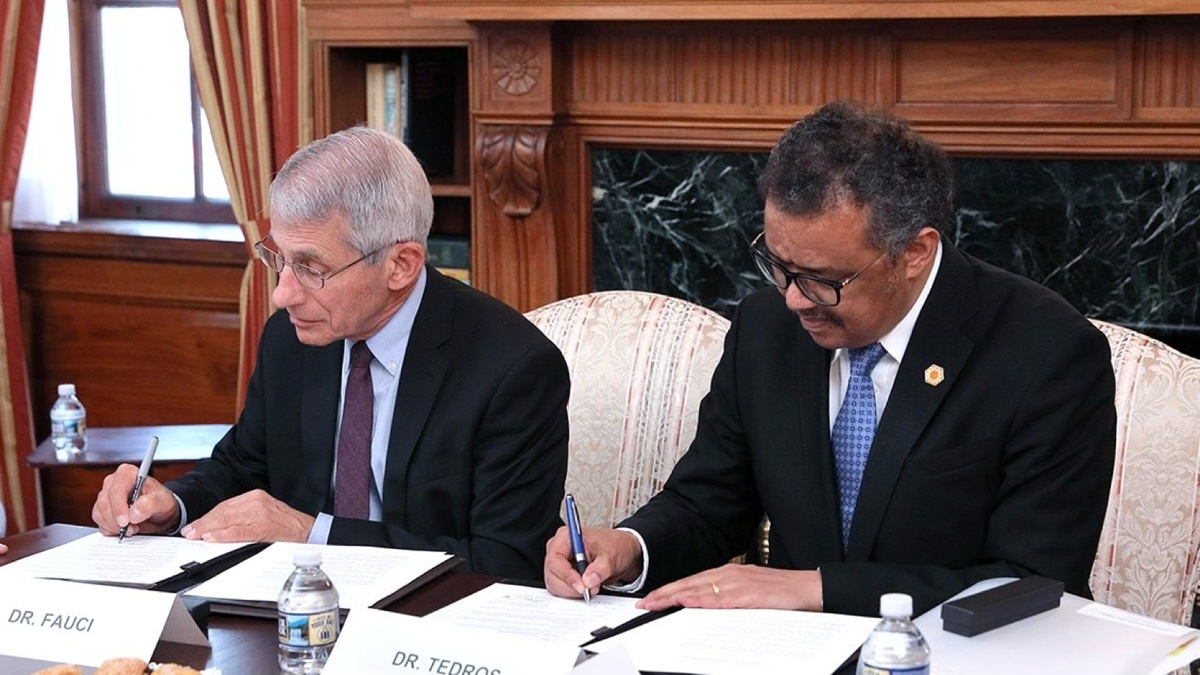
Fig. 2-14. Tedros and Fauci: Defining Asymptomatic Patients
The difficulty, however, was practical. Very few of the individuals labeled pre-symptomatic later developed meaningful symptoms. So the category had to expand again. Tedros and Fauci then promoted the notion of the “asymptomatic COVID-19 patient.” The WHO defined such people as infected individuals who never develop symptoms, while Fauci publicly stated that 40 to 45 percent of infections were asymptomatic.
This category performed several political functions at once. It explained why so many people who tested positive remained outwardly well. It justified testing healthy populations. And it supported the claim that invisible carriers were spreading the disease everywhere. That last point was especially important, because it turned ordinary daily life into a field of hidden danger. People who looked healthy could now be cast as a threat to everyone around them.
Yet the narrative was briefly disrupted by the WHO itself. On June 8, 2020, Maria Van Kerkhove, the WHO’s Technical Lead for COVID-19, stated at a press briefing that based on reports from countries conducting detailed contact tracing, asymptomatic transmission appeared to be “very rare.” That remark electrified public discussion because it undercut one of the central justifications for lockdowns, distancing, masks, and mass testing.
Political reaction was immediate. Critics of lockdown policy seized on the statement as evidence that the public had been misled. In the framework of this chapter, Van Kerkhove’s conclusion was correct for a more basic reason: if SARS-CoV-2 itself was a conceptual fabrication, then asymptomatic transmission was not just rare but nonsensical. Without a real infectious virus and without real asymptomatic carriers, the entire logic of universal restrictions weakened at once.
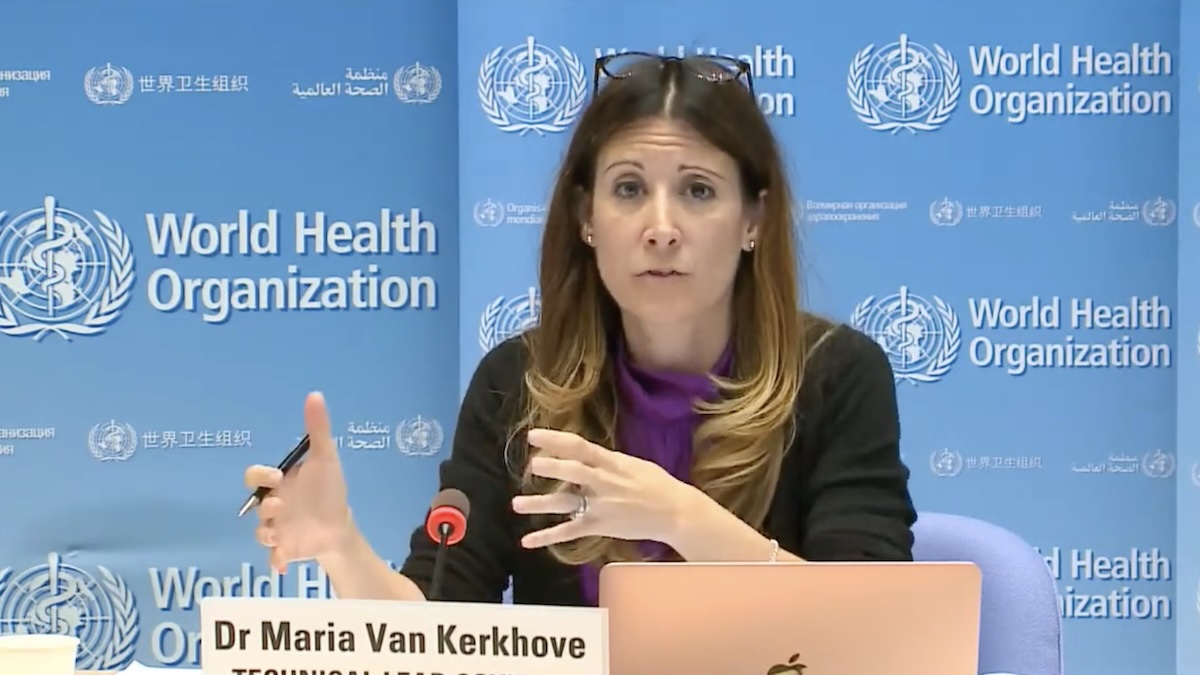
Fig. 2-15. Van Kerkhove: Unintentionally Revealed the Truth
Within twenty-four hours, however, Van Kerkhove reversed herself. She said she had not been stating WHO policy, that the phrase “very rare” had caused misunderstanding, and that the evidence was not settled. In practical terms, the opening was closed. Rather than stand by the implications of her team’s findings and call for the end of lockdowns and related measures, she retreated into institutional caution.
Fauci moved quickly to reinforce the old narrative. He stated that there was no evidence supporting the suggestion that asymptomatic transmission was very rare and insisted that 25 to 45 percent of infected individuals had no symptoms while still transmitting the disease. In the logic of this chapter, that claim relied on a strategic ambiguity in the word infected. If infection means a genuine thermal breach of the upper respiratory tract, then symptoms should follow. If infection simply means a positive test result, then the category has become administrative rather than biological. Fauci’s language depended on that slippage.
A similar pattern emerged in an experiment designed to bolster public apprehension. Fauci played a key role in publicizing research that compared the environmental stability of SARS-CoV and SARS-CoV-2 across various media, including aerosols, cardboard, copper, steel, and plastic. By concluding that the virus remained viable for hours in the air and days on surfaces, the study established the narrative that aerosol and fomite transmission were plausible threats.
In the framework of this chapter, the experiment was fraudulent from the outset. It presupposed the existence of two viruses never physically established in the required sense. It also relied on the claim that those viruses could be isolated, placed on surfaces, tracked across time, and distinguished from the countless background microorganisms already present on such materials. The experiment therefore did not prove infectivity. It dramatized a premise already assumed.

Fig. 2-16. Fauci: Faking Viral Infectivity on Inanimate Surfaces
The institutional pattern around the study only deepens that impression. Most of the researchers involved were linked directly or indirectly to Fauci’s NIAID. The study was funded through the same system he controlled. Fauci then served as one of its two principal public interpreters. In the argument of this chapter, this was not independent science but a coordinated narrative operation.
The result was a flood of publications. By October 2020, more than 87,000 coronavirus-related papers had appeared worldwide. That scale was presented as unprecedented scientific productivity. This chapter reads it differently: as the effect of vast government spending and institutional pressure converging to manufacture consensus. The torrent of publications did not prove the reality of the pathogen. Instead, it created the appearance of consensus and thereby shielded the narrative from scrutiny.
Fauci played a central role in that process inside the United States. As the dominant allocator of pandemic-related research funds, he served as the paymaster of the infectious-virus narrative. When challenged politically, he did not answer by narrowing claims or presenting new empirical proof. He elevated his own authority into a proxy for science itself, declaring that criticism of him was really criticism of science. That rhetorical move is central to the chapter’s argument. Science ceased to be a method of verification and became a protected institutional identity.
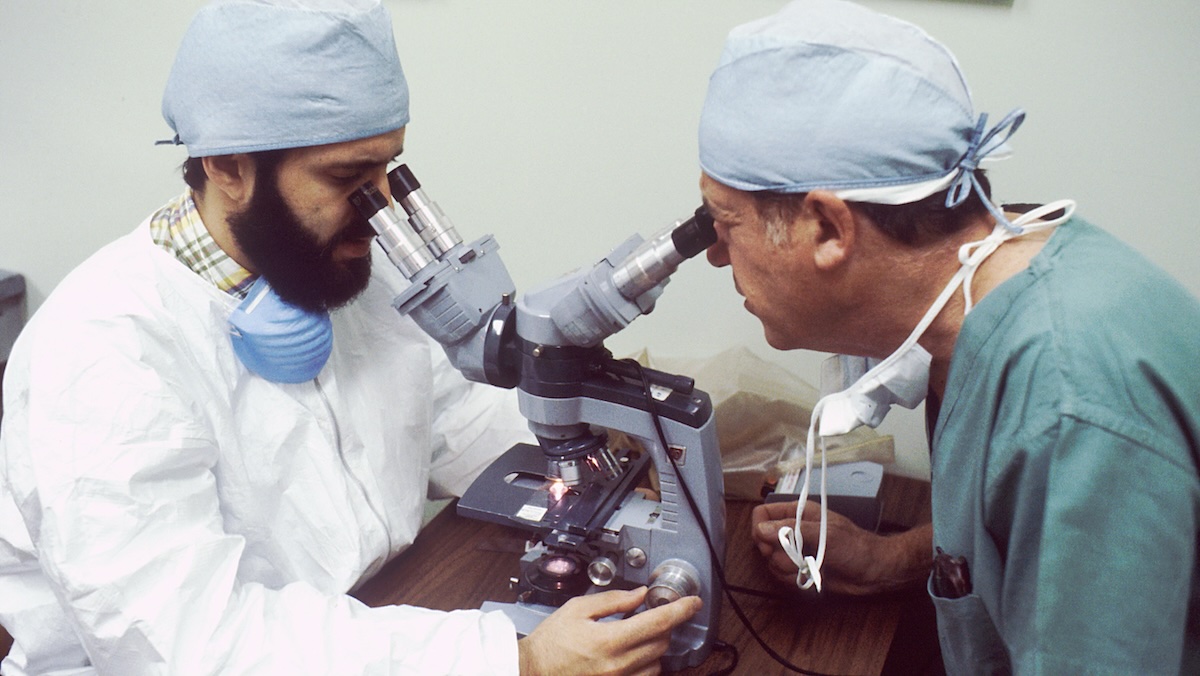
Fig. 2-17. Global Epidemiologists: Faking Vira Infectivity Reports
The same dynamic, according to this chapter, shaped the White House Coronavirus Task Force. Deborah Birx, Robert Redfield, and Fauci were presented publicly as the managers of the crisis, but Scott Atlas later described them as operating less as independent scientific voices than as a unified bloc. He said he never saw them seriously challenge one another with data and later reported that they had formed an internal pact to leave together if one of them were fired.
Birx herself later spoke openly about this pact. What mattered, in the context of the chapter, is not merely the loyalty among officials but what that loyalty implied: the public face of scientific disagreement was far thinner than it appeared. The leading figures of the response were not balancing one another. They were protecting a shared line.
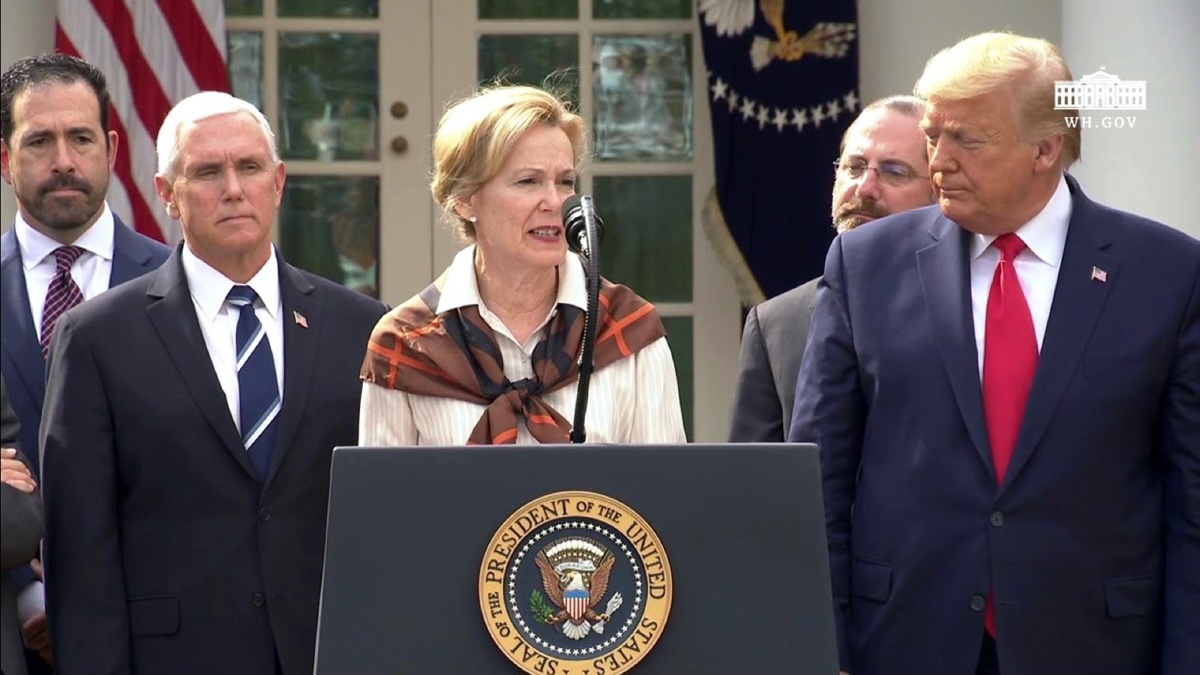
Fig. 2-18. A Commando Unit: Encircling President Trump
This leads to the broader conclusion of the section. The so-called leaders of the pandemic response were, in the framework of this chapter, also its manufacturers. Under the banner of public health, the WHO, the UN, and aligned officials used testing to create patients, treatment protocols to create deaths, and institutional messaging to manufacture fear. The public was then confronted with a world in which people without symptoms were said to spread infection widely and invisibly. Faced with that claim, most people had only two choices: submit to the narrative or be treated as reckless.
The statement that “most SARS-CoV-2 infections are spread by people without symptoms” therefore became more than a scientific claim. It became one of the central psychological weapons of the COVID operation.
References
- World Health Organization. Coronavirus disease (COVID-19): How is it transmitted?. Published December 23, 2021. Accessed November 3, 2023.
- Bauchner H. The 2019 novel coronavirus outbreak—update from NIAID’s Anthony Fauci, MD. JAMA Author Interviews. Published February 7, 2020. Accessed November 5, 2023.
- Frellick M. Fauci: ‘About 40%-45% of infections are asymptomatic.’. Medscape. Published September 11, 2020. Accessed November 3, 2023.
- World Health Organization. COVID-19: virtual press conference. YouTube. Published June 8, 2020. Accessed October 15, 2021.
- Rodriguez A. WHO official walks back comments on asymptomatic transmission being 'very rare.’. Published June 9, 2020. Accessed November 3, 2023.
- Lovelace B. Dr. Anthony Fauci says WHO’s remark on asymptomatic coronavirus spread ‘was not correct’. CBNC. Published June 10, 2020. Accessed November 3, 2023.
- Van Doremalen N, Morris DH, Hoolbrook MG, et al. Aerosol and surface stability of SARS-CoV-2 as compared with SARS-CoV-1. N Engl J Med. 2020; 382:1564-1567. doi: 10.1056/NEJMc2004973
- Ohio State University. More than 87,000 papers published on coronavirus since start of COVID pandemic. SciTechDaily. Published February 23, 2021. Accessed November 3, 2023.
- Vakil C. Fauci says lies, threats are ‘noise’. The Hill. Published November 28, 2011. Accessed November 3, 2023.
- Sunday Talk Shows. The SARS2 pandemic: will truth prevail?. YouTube. Published January 24, 2022. Accessed February 2, 2023.
- ABC News. One-on-one with Dr. Deborah Birx. Good Morning America. April 25, 2022. Accessed September 13, 2024.
- Centers for Disease Control and Prevention. The Science of Masking to Control COVID-19. Published December 6, 2021. Accessed February 22, 2023.