
Vice President Mike Pence took control of the White House Coronavirus Task Force on February 26, 2020. From that point forward, the Task Force became the key domestic instrument for translating the pandemic narrative into federal policy. In the framework of this chapter, its central mechanism was testing. Testing produced the case numbers; the case numbers produced alarm; and the alarm produced the pressure needed to shut down the country.
The escalation was rapid. Reported daily new cases rose from 75 on March 1 to 1,301 on March 11, helping prepare the ground for the formal pandemic declaration. By March 16, the number had reached 6,420. These figures were presented as evidence of explosive viral spread. In the logic of this chapter, however, they functioned politically: they created the appearance of a runaway crisis and strengthened the hand of those pressing for national mitigation measures.
Fauci later recalled the first time he and Deborah Birx went to President Trump to recommend a “shutdown,” or what he preferred to call very strong mitigation. He admitted that they knew the recommendation could carry negative consequences, but emphasized that the president ultimately listened and moved toward mitigation. That retrospective summary is revealing. It confirms that the lockdown was not some inevitable response to objective reality. It was a recommendation presented to the president by a specific group of officials operating within the Task Force.
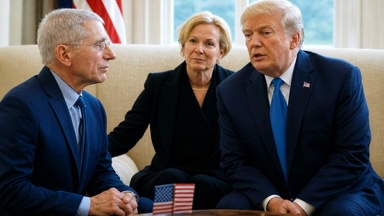
Fig. 3-5. Operatives: Engineering National Lockdown Policies
Trump agreed to a two-week national lockdown beginning on March 16, 2020. Once that decision was secured, the machinery intensified. Testing expanded, confirmed cases surged, and the Task Force gained fresh leverage. By April 1, the official number of daily cases had climbed to 238,628. In the framework of this chapter, that escalation was not simply a reflection of natural spread. It increased the pressure to prolong the emergency and deepen the restrictions.
Fauci later described the next decisive intervention. After the initial fifteen-day period, he and Birx again went to Trump and told him that fifteen days were not enough and that thirty more days were needed. Trump accepted that recommendation as well. The pattern is important: first two weeks, then another month. Step by step, the lockdown was extended through a sequence of urgent expert requests backed by rising case numbers.
On March 31, 2020, the Task Force pressed Trump to prolong the national shutdown through April 30. At the public briefing that day, Trump announced the extension and spoke of ongoing sacrifices by citizens, businesses, and communities. He also suggested that some of the changes might last far into the future, even after the virus was defeated. The wording revealed how far the emergency frame had already reshaped political imagination. Temporary restrictions were no longer being discussed simply as short-term measures. They were beginning to redefine social life itself.
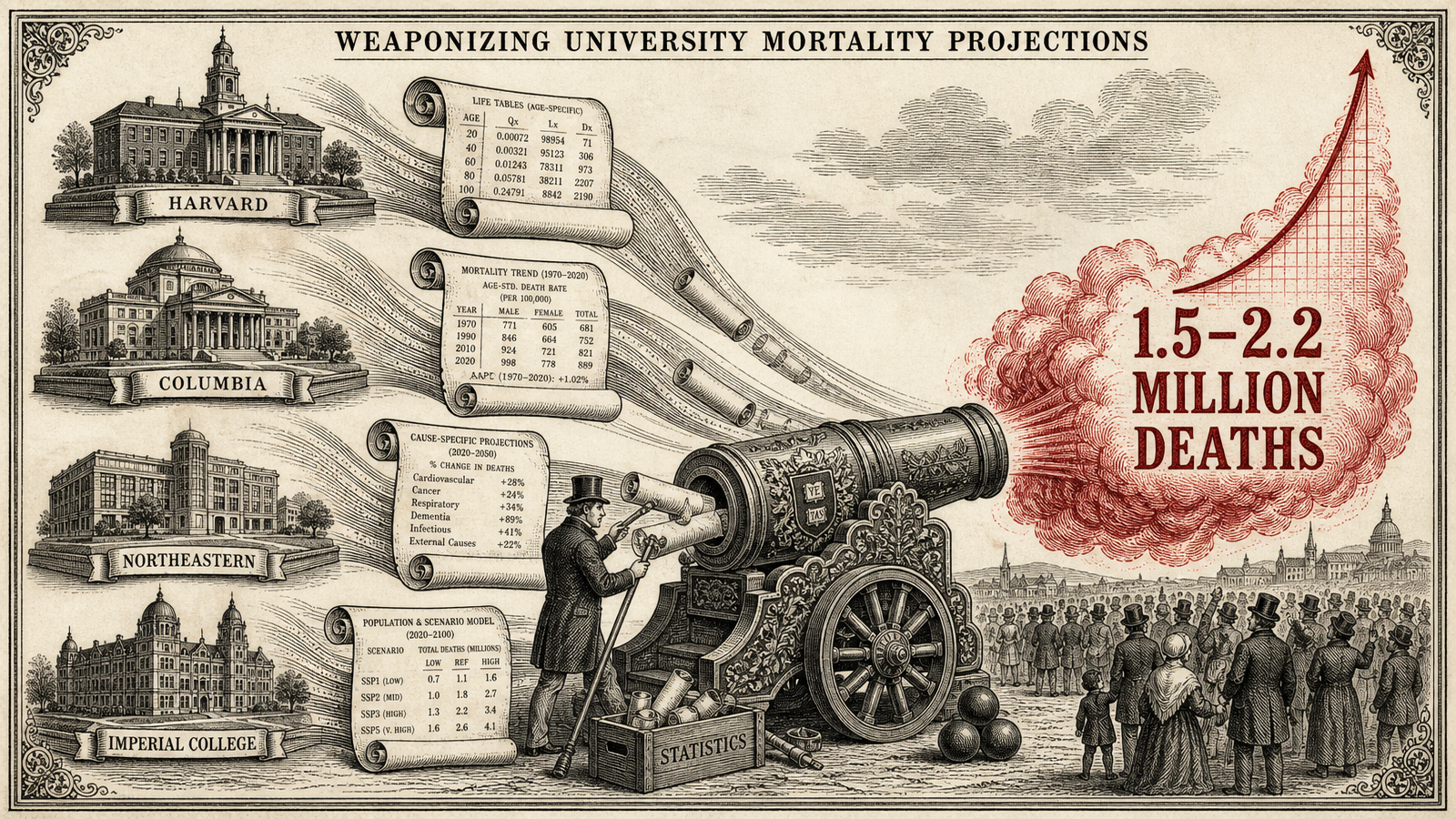
Fig. 3-6. ATAHA: Weaponizing University Mortality Projections
That same press conference exposed one of the main devices used to justify the extension: mortality modeling. Birx announced that leading modelers from Harvard, Columbia, Northeastern, and Imperial College had estimated that without mitigation, between 1.5 million and 2.2 million Americans could die. This figure became one of the most powerful psychological weapons of the lockdown phase. It translated uncertain projections into a near-apocalyptic warning and made resistance appear reckless or even murderous.
Fauci reinforced the same message. He said cases would continue rising in the coming days, but insisted that this should not discourage people because mitigation was working. He then argued that precisely because the measures were beginning to have an effect, now was the worst possible time to relent. That formulation created a self-sealing logic. Rising numbers justified lockdowns; if numbers kept rising, the lockdown had to continue; if the numbers later improved, the lockdown could claim credit. Either way, the policy insulated itself from direct falsification.
In the framework of this chapter, the lockdowns were not Trump’s natural political instinct. Both Scott Atlas and Fauci later acknowledged as much. Trump repeatedly expressed common-sense objections: that school closures would damage children, that shutting businesses would destroy society, and that the severe danger appeared concentrated in specific groups rather than the population as a whole. His instincts pulled toward targeted protection rather than universal paralysis.
But instinct was not enough. Trump still accepted the underlying premise of a dangerous infectious virus. That left him vulnerable to the Task Force. Birx and Fauci could exploit his uncertainty about the medical details while presenting themselves as the responsible experts. In effect, Trump’s blind spot about the virus allowed the U.S. branch of the ATAHA to guide him into actions he neither preferred nor fully trusted.
Fauci later admitted publicly that Trump had resisted lockdowns from the beginning and that there had been significant pushback against shutting things down. That admission matters because it clarifies that the lockdowns were not simply the president’s chosen policy. They were the result of sustained pressure from within the emergency apparatus.
The political value of lockdowns was enormous. In the framework of this chapter, they were the core domestic instrument for manufacturing crisis. By shutting down businesses, halting schools, emptying public spaces, and freezing economic life, the alliance could create not just fear of disease but anger, resentment, and hardship on a national scale. The economic damage would then be laid at Trump’s feet, even though the pressure for lockdowns came largely from the same forces working against him.
Trump tried at points to pull back. On March 23, he floated reopening the country by Easter, saying that the cure could not be worse than the problem. Commentators such as Steve Hilton and Larry Kudlow echoed the same warning., They could see that the shutdown itself was becoming socially and economically catastrophic.
Yet they remained trapped by the same conceptual barrier. Like Trump, they still accepted the existence of the infectious and lethal SARS-CoV-2 narrative. They opposed the mitigation, but they did not fully dismantle the disease model that justified it. As a result, they could not produce a decisive alternative frame strong enough to end the lockdowns outright.
That is what made the first weeks of lockdown so important. The country was not merely closed. It was maneuvered into closure by a coordinated apparatus that used testing, projections, and expert authority to override the president’s instincts and impose a policy that served the political goals of the operation. The lockdowns damaged the economy, deepened public fear, and set the stage for the next phase of the coup.
References
97. Worldometer. United States: Coronavirus Cases. Accessed February 23, 2023.
98. Neumann S. Dr. Fauci says Trump has listened to his recommendations and he is not being forced to say so. People. Published April 13, 2020. Accessed November 3, 2023.
99. Margolis M. Airborne: How the Liberal Media Weaponized the Coronavirus against Donald Trump. New York, NY: Post Hill Press. 2020:74
100. Rev. Donald Trump coronavirus task force briefing transcript March 31: “painful” weeks ahead. Published March 31, 2020. Accessed on November 10. 2023.
101. Sunday Talk Shows. The SARS2 pandemic: will truth prevail?. YouTube. Published January 24, 2022. Accessed February 2, 2023.
102. Cole D. Fauci admits earlier COVID-19 mitigation efforts would have saved more American lives. CNN. Updated April 12, 2020. Accessed May 24, 2024.
103. Haberman M, Sanger DE. Trump Says Coronavirus Cure Cannot ‘Be Worse Than the Problem Itself’. The New York Times. Published March 23, 2020. Accessed November 3, 2023.
104. Bowers N. ‘We can’t have the cure be worse than the problem’: Trump says he intends to reopen country in weeks, not months. Published March 24, 2020. 8 News Now. Published March 24, 2020. Accessed November 5, 2022.
105. Colvin J, Boak J, Alonso-Zaldivar R. Trump: ‘We can’t let the cure be worse than the problem’. Local 10 News. Published March 23, 2020. Accessed November 3, 2023.