
At the beginning of 2020, the United States was heading toward a presidential election while simultaneously being drawn into the emerging COVID-19 crisis. In the framework of this chapter, those two events were not parallel developments. One was the normal rhythm of American political life; the other was an operation designed to disrupt it. The pandemic functioned not merely as a health event but as a form of political sabotage aimed at derailing Donald Trump’s reelection.
Trump sensed the hostile political character of what was happening before he understood its full structure. On February 28, 2020, at the rally in North Charleston, South Carolina, he said that Democrats were politicizing the coronavirus and called it “their new hoax.” That instinct was not baseless. He recognized that the crisis was being weaponized against him. But he did not yet understand the scale of the alliance behind it or the depth of the medical narrative on which it rested.
Politically, President Trump sensed a trap. Conceptually, he remained inside it as at the rally, he also stated:
We have to take it very, very seriously. … We are preparing for the worst. My administration has taken the most aggressive action in modern history to prevent the spread of this illness in the United States. We will do everything in our power to keep the infection and those carrying the infection from entering our country.
Like most people around the world, Trump still accepted the framework of infectious virology and the existence of a dangerous novel virus infecting people one after another. He did not yet see that, in the argument of this book, the pandemic itself had been constructed through that framework.
It is not difficult to understand why Trump did not immediately grasp the full picture. To imagine that the UN, the WHO, domestic adversaries, international bureaucracies, media systems, and health officials would converge around a fabricated pandemic to block a presidential reelection required crossing a threshold that few people were prepared to cross. The operation would destabilize world economies, disrupt the lives of billions, and produce mass casualties, all while presenting itself as humanitarian necessity. In the framework of this chapter, that is what made the ATAHA so formidable: it was the largest coordinated alliance ever assembled against a single political figure, acting under the cover of public health.
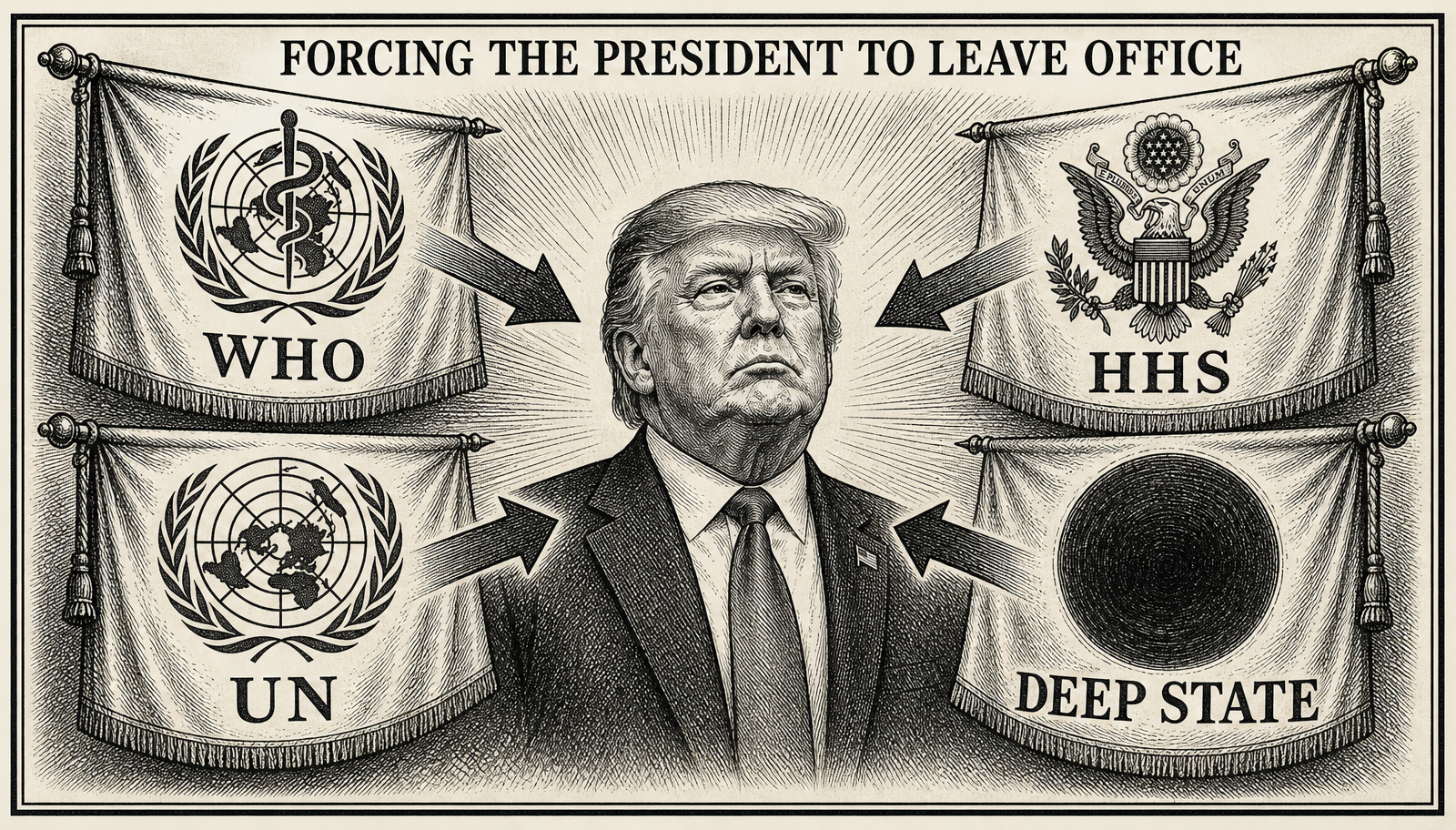
Fig. 3-1. COVID-19’s Political Target: President Trump
The alliance could act so aggressively because it controlled the major instruments of perception. It could shape information flows, suppress dissent, and exploit the conceptual blind spots created by two centuries of Western medical orthodoxy. Once the public accepted the existence of a highly contagious new virus, panic could be manufactured at scale. Tedros described the supposedly novel coronavirus in the most expansive terms, saying it could spread through coughs, sneezes, speech, singing, breathing, and suspended aerosols in poorly ventilated spaces.62 With language like that, ordinary human proximity itself became suspect.
Anthony Fauci played the same role inside the United States. He described COVID-19 as a highly efficient person-to-person respiratory infection and argued that stopping it required “draconian” measures—shutting down the country, locking it down, and imposing extreme physical separation. That description did more than advise caution. It converted the idea of national paralysis into scientific necessity. Once that frame took hold, the social and economic shutdown of the country could be presented not as a political choice but as the only responsible response.
The strategic value of that narrative was obvious. The surest way to damage Trump’s reelection prospects was to halt normal life, paralyze the economy, and make him appear unable to control events. The virus narrative created the mechanism. The testing regime created the numbers. The media system amplified the fear. The result was a political environment in which every worsening development could be hung around the president’s neck.
Tedros escalated the pressure further on March 3, 2020, when he claimed that COVID-19 had a mortality rate of 3.4 percent—far above that of seasonal influenza. He described it as a unique virus in uncharted territory. That figure was essential to the psychological architecture of the crisis. If accepted, it justified extraordinary measures and magnified the sense that the world was confronting a catastrophe beyond ordinary comparison.
Trump, however, reacted skeptically. He said that the 3.4 percent number was false because many people would have the illness mildly, recover quickly, and never even see a doctor. In his own way, he was pushing back against the inflated mortality narrative. He understood that the denominator was unstable, that the case counts were incomplete, and that the official fatality picture did not match common experience.
But again, he was resisting from within the accepted frame rather than outside it. He disputed the severity, not the underlying ontology. He did not yet reject the premise of the infectious virus itself. That left him vulnerable. The ATAHA did not need Trump to believe every part of its narrative. It needed only to keep him operating inside the conceptual battlefield it had already chosen.
That is what gaslighting the president meant in practice. Trump was maneuvered into a situation in which his political instincts were often correct but his medical assumptions remained compromised. He recognized the hostility of the campaign against him, distrusted Tedros, and questioned the numbers. Yet because he still accepted the existence of the threat as officially defined, he could not fully expose the machinery being used against him. The crisis was therefore able to function simultaneously as a political attack and a scientific trap.
This combination—partial intuition, incomplete conceptual escape, and overwhelming institutional pressure—defined the preparation phase of the coup. Trump was not defeated at once. He was constantly surrounded, misled, and forced to respond to a reality designed by his adversaries.
References
84. Cook N, Choi M. Trump rallies his base to treat coronavirus as a ‘hoax’. Politico. Published February 28, 2020. Accessed November 3, 2023.
85. Franck T. Trump says the coronavirus is the democrats’ ‘new hoax’. CNBC. Published February 28, 2020. Accessed November 3, 2023.
86. The American Journal of Managed Care. Dr Anthony Fauci speaks to the likelihood of vaccines for HIV and COVID-19. Published September 10, 2020. Accessed November 3, 2023.
87. Lovelace Jr B. WHO says coronavirus death rate is 3.4% globally, higher than previously thought. CNBC. Published March 3, 2020. Accessed November 3, 2023.
88. Forgey Q. Trump floats with his own coronavirus hunches on ‘Hannity.’ Politico. Published March 5, 2020. Accessed November 3, 2023.