
In the framework of this chapter, COVID-19 was not merely a health emergency but an undeclared political war launched against President Trump and, more broadly, against the public. Inside the United States, the domestic wing of that operation included Democratic leadership, senior health officials, and the White House Coronavirus Task Force. Together they helped construct an emergency atmosphere defined by rapidly escalating case counts, mortality projections, and institutional alarm. One of the first major results of that atmosphere was financial: Trump was maneuvered into requesting emergency funding from Congress.
That funding request was not trivial. Once an emergency existed on paper and in public perception, Congress could be pressed to finance the machinery producing it. Trump initially asked for $2.5 billion. House Speaker Nancy Pelosi immediately dismissed that number as “completely inadequate to the scale of this emergency.” Senate Minority Leader Chuck Schumer then countered with an $8.5 billion proposal. In the logic of this chapter, the response of Democratic leadership was revealing. They were not merely reacting to the emergency; they were moving to scale it.
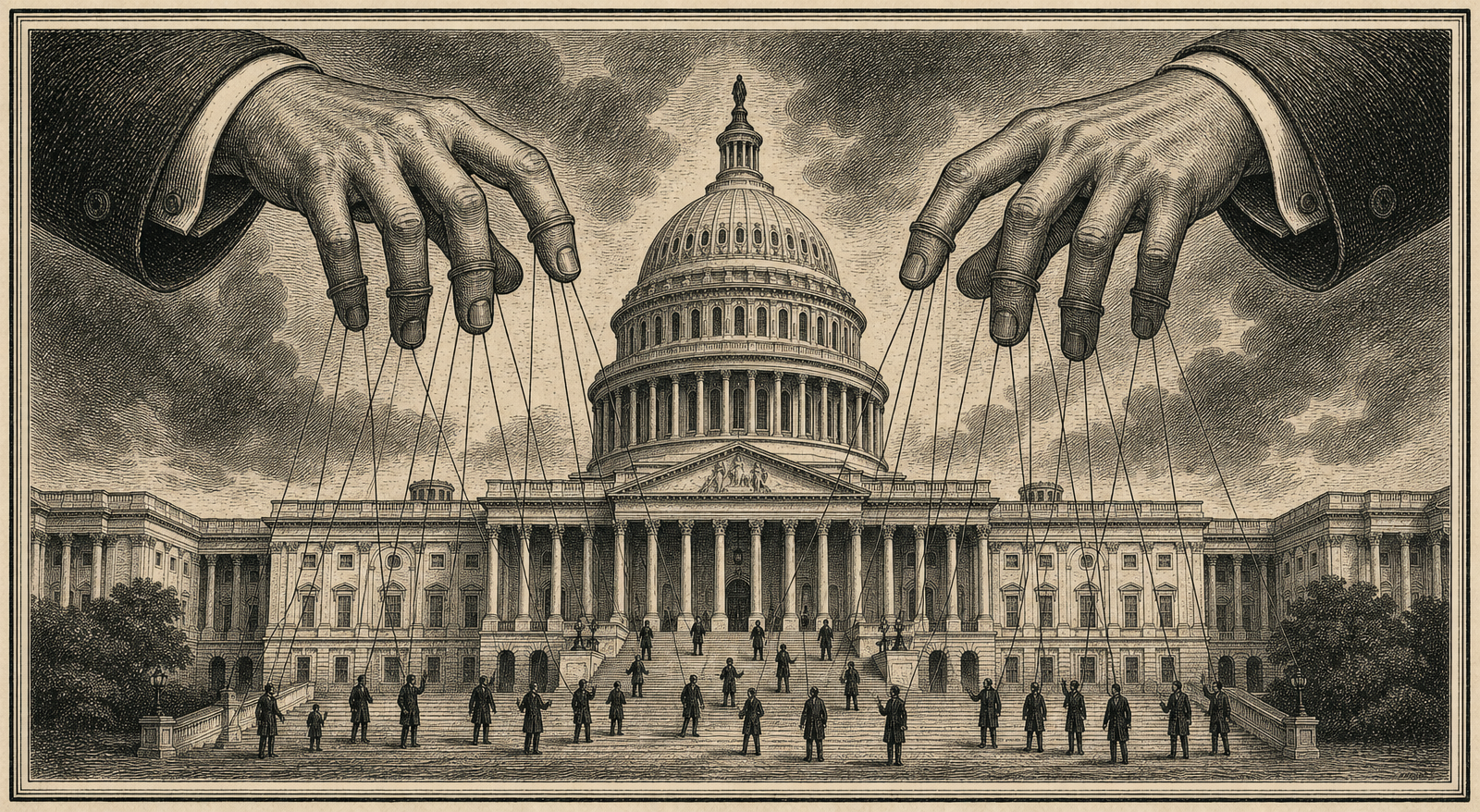
Fig. 3-2. Congress: Controlled by COVID-19 Operatives
Congress moved with extraordinary speed. On March 4, 2020, the House approved an $8.3 billion emergency package by a vote of 425–2. The next day, the Senate passed it 96–1. The size of those margins matters. They show that the COVID narrative did not divide Congress in the way many later debates would. At this early stage, it swept through the institution almost unopposed. In the framework of this chapter, Congress did not function as a brake on panic. It functioned as an accelerant.
That outcome represented a major victory for the American and international arms of the pandemic alliance. They had secured not only public alarm but direct financial backing from the national treasury. In practical terms, Congress funded the operation that would go on to deepen the crisis inside the United States. This is why the moment is treated here as more than a budget vote. It was a transfer of material power into the hands of those driving the pandemic narrative.
The tragedy, as the section presents it, is constitutional as much as political. Congress exists in part to protect the public and to serve as a counterweight against manipulation from the executive branch, the bureaucracy, and organized interests. Yet here it failed almost instantly. Faced with a rapidly manufactured crisis, legislators overwhelmingly endorsed the emergency frame rather than auditing its premises. Instead of interrogating the assumptions behind the sudden flood of alarming claims, they ratified them financially.
The bill then reached the White House, where Trump faced intense pressure to sign it. He was being pushed from multiple directions at once: by senior health officials inside the federal system, by Democratic leaders in Congress, and by Republicans unwilling or unable to resist the emergency consensus. Once inside that pressure chamber, the president’s options narrowed sharply. Refusing the bill would have allowed opponents to portray him as reckless in the face of imminent catastrophe. Signing it, however, meant financing the very apparatus being used against him.
That is the core of the gaslighting. Congress was not simply misinformed; it was maneuvered into participating in the architecture of the coup. Legislators were presented with a false emergency, pressured to act urgently, and then induced to legitimize the narrative through appropriations. The resulting vote did not simply respond to the crisis. It helped create the conditions for the next phase of it.
Only three Republicans resisted. Representative Andy Biggs of Arizona, Representative Ken Buck of Colorado, and Senator Rand Paul of Kentucky opposed the package. Their votes stand out precisely because so few others were willing to challenge the emergency consensus at that stage. In the framework of this chapter, they deserve notice not because they alone understood the full operation, but because they refused to surrender immediately to the manufactured panic.
The broader lesson is grim. By early March 2020, Congress had already been drawn into the pandemic machinery. Instead of checking the operation, it funded it. Instead of scrutinizing the emergency, it institutionalized it. That was one of the first decisive steps in turning COVID-19 from a narrative into a state-backed national reality.
References
89. Pelosi N. Twitter. February 24, 2020. 9.11 pm.
90. Shabad R. Thorp VF, Moe A. Coronavirus: House passes roughly $8 billion bipartisan emergency funding bill. NBC News. Published March 3, 2020. Accessed November 3, 2023.
91. Werner E, Debonis M. House passes $8.3 billion emergency spending package to respond to coronavirus outbreak. The Washington Post. Published March 4, 2020. Accessed June 6, 2020.
92. Foran C, Barrett T. Senator approves $8.3 billion total coronavirus response package. CNN. Published March 5, 2020. Accessed June 6, 2020. CNN.