
The vaccine enterprise is immensely profitable and functions as a mechanism of permanent, recurring harvest. It attracts many “experts” who dream of enormous rewards. In 1956, Dr. Winston H. Price, a biochemist at Johns Hopkins Hospital, claimed to have isolated the first infectious rhinovirus and used that claim to pursue a rhinovirus vaccine. He described his work as follows:
The virus has been isolated from human respiratory cases in all seasons of the year from both adults and children. It has been isolated from two large respiratory outbreaks, as well as from individuals clinically ill with respiratory infections who came to the Johns Hopkins Hospital or to the Baltimore City hospitals for treatment.
This description suggests not one virus, but many. Price grouped them under the label “rhinoviruses,” from the Greek rhinos, meaning “nose,” to reflect their presence in the nasal passages. He further named this group of viruses after Johns Hopkins and claimed that “the JH virus is responsible for a clinical disease in the human population.” On that premise, he proposed a vaccine for URTIs. Dr. Paul A. Offit summarized Price’s development process as follows:
He took the virus, grew it in monkey kidney cells, killed it with formaldehyde, injected it into the arms of a hundred boys in a local training school. The results were dramatic. During the next two years, children who had received Price’s vaccine were eight times less likely to get a cold than those who hadn’t.
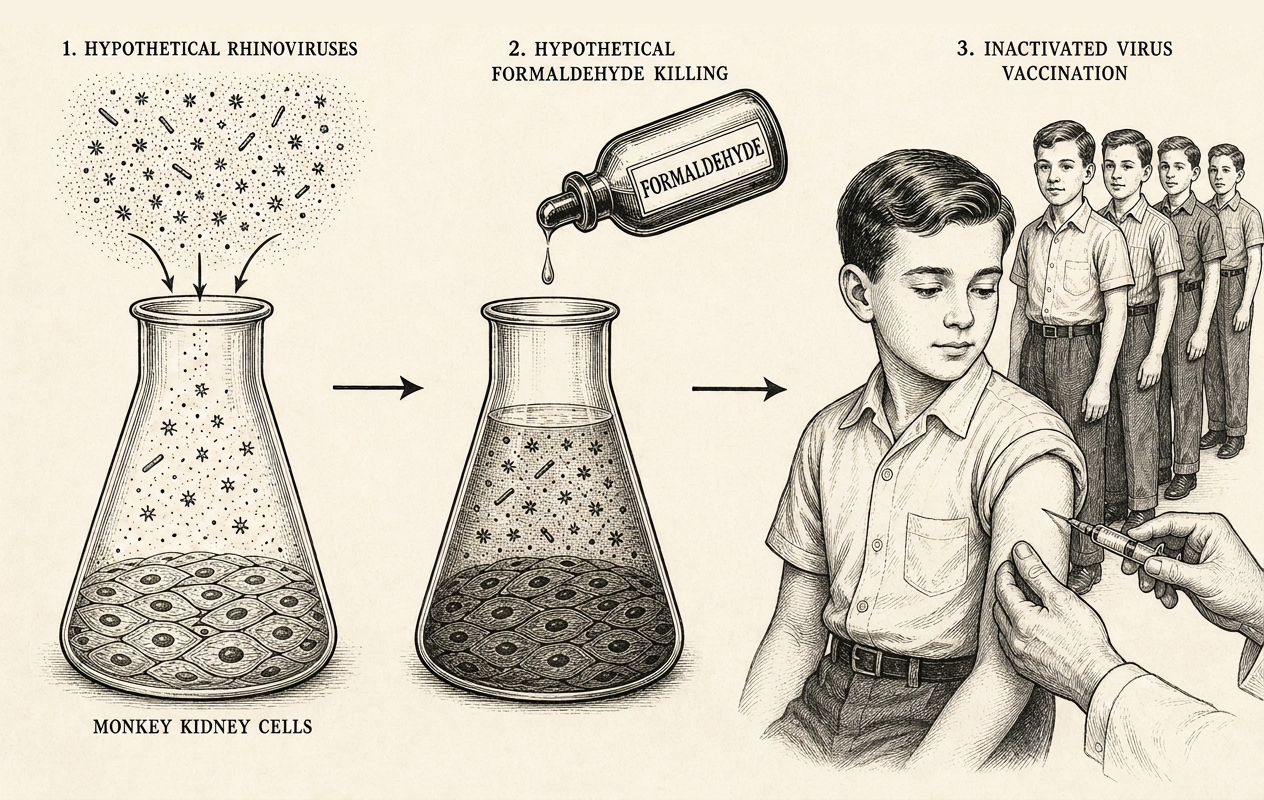
Fig. 1-8. Price: Developing Vaccines from “Killed” Viruses
Price’s vaccine logic raises three immediate problems. First, the claim of cultivating upper respiratory viruses in monkey kidney cells is untenable. Once such cells are exposed to the air, any ambient microorganism may enter, making it impossible to claim with certainty that only a specific virus is present.
Second, the phrase “killed virus” is conceptually false. Viruses are not independent living organisms in the ordinary biological sense. To speak of killing them is, in this view, a category error.
Third, the logic of the vaccine itself is unsound. If respiratory infection is caused by the upper respiratory tract falling to 33°C, then an injection in the arm cannot prevent it. The causal mechanism proposed in this book is physical, not pharmaceutical.
Price was soon challenged by other epidemiologists, including Dr. Maurice Hilleman, who argued that a single virus could not explain URTIs and that many viral types must be involved. Offit summarizes Hilleman’s position as follows:
Hilleman identified fifty-four different types of cold viruses; forty-one of these were first isolated in his laboratory. Further, Hilleman found that natural infection with one type of cold virus protected against disease caused by that same virus for at least four years, but it didn’t protect against disease caused by other types. The common cold was common, not because immunity was short-lived but because there were so many different cold viruses.
Whether Price identified one type or Hilleman identified fifty-four types, the central problem remained unchanged: neither provided physical evidence demonstrating the existence of an infectious virus. In the absence of such proof, the claim that different viruses cause different URTIs remains speculative.
Hilleman’s own vaccine efforts reveal the same absurdity. Offit records that Hilleman attempted to make a vaccine by putting multiple cold viruses into a capsule and feeding it to institutionalized children:
Hilleman tried to make a common cold vaccine by putting different types of cold viruses into a capsule. On May 26, 1965, in concert with the ethic of the time, he fed his vaccine to nineteen mentally retarded children in the Vineland State School in New Jersey. Hilleman obtained frequent X-ray films of their stomachs to determine when the capsules opened. Although swallowing live cold viruses didn’t cause any symptoms, no one developed antibodies; Hilleman’s attempt to make a common cold vaccine had failed.
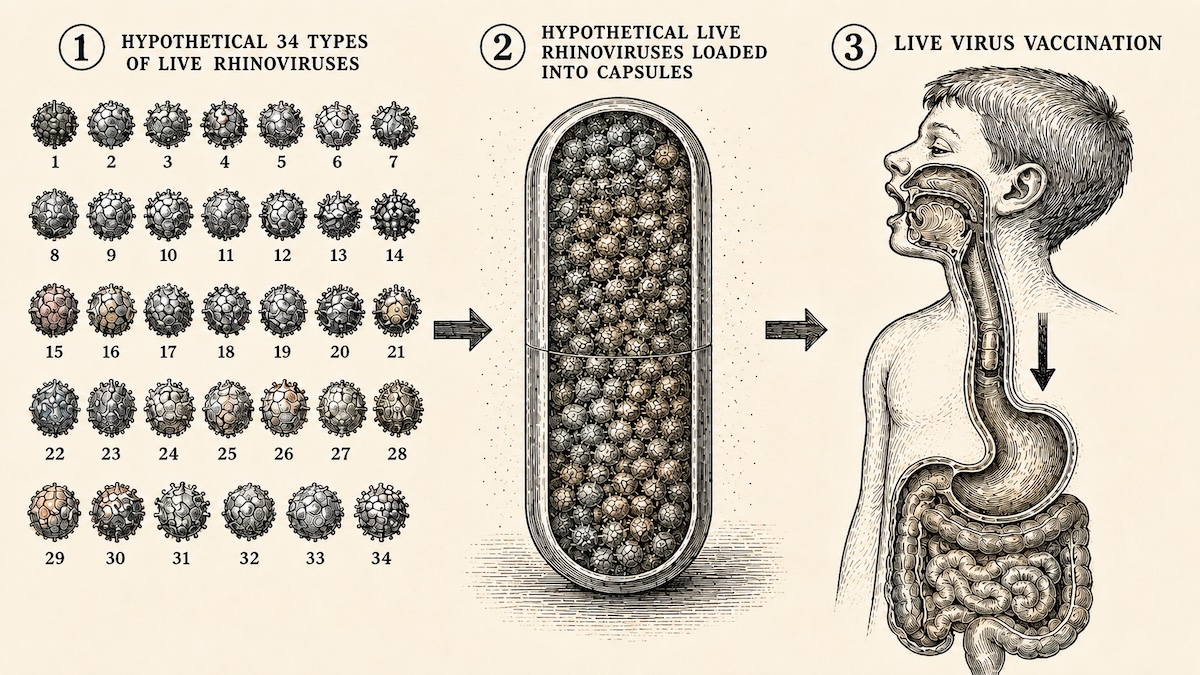
Fig. 1-9. Hilleman: Developing Vaccines from “Live” Viruses
This episode exposes further problems. How can a capsule be “filled” with viruses when capsules, like the surrounding environment, are already immersed in microorganisms? What exactly distinguishes these alleged “live viruses” from the countless inert viral particles humans ingest every day? And if viral capsules swallowed into the digestive tract do not prevent respiratory infections, what does that say about the premise on which the vaccine was designed?
In his later account, Hilleman even declared that Price’s successful vaccine trial had been fabricated:
So why did the vaccine trial conducted in Baltimore by Winston Price work? If there are at least a hundred different types of cold viruses, why did a vaccine that contained only one strain of virus cause such a dramatic decrease in the incidence of colds for two years? The truth is that it didn’t. “His study was a complete fraud,” said Hilleman. “He made up his data. I found out about it when I was working at Walter Reed.”
That judgment is important because it shows the system exposing itself from within. Yet Hilleman’s accusation did not cleanse the field. Price withdrew, but Hilleman advanced. With Price discredited, Hilleman became one of the most influential figures in vaccine development and shifted from the common cold to influenza, where the narrative could be reframed around a new viral target.
He later played a central role in the development of vaccines for the Asian Flu in 1957 and the Hong Kong Flu in 1968, and eventually became a leading adviser to the WHO on influenza and other vaccines. After his death in 2005, he was widely celebrated for helping develop more than forty vaccines, including those for measles, mumps, hepatitis, meningitis, pneumonia, and rubella.
Fig. 1-10. Hilleman: Architect of Over 40 Vaccines
In the framework of this chapter, however, those later achievements do not rescue the premise. If infectious viruses have never been physically proven, then vaccines built upon them cannot claim real scientific legitimacy. Their effects, whatever they may be, do not validate the theory on which they were sold.
On December 31, 1999, President Bill Clinton invited recipients of the Presidential and Congressional Medals to contribute objects representing the American spirit to the National Millennium Time Capsule. Hilleman chose to place his vaccine “sacred vials” into it. Years later, when asked what it felt like to stand beside the President during the sealing ceremony, he replied with one word: “Chilly!”
That line is worth keeping, not as a joke, but as an ironic closing note. In the context of this chapter, it captures the moral undertone of the entire vaccine enterprise: a vast system built on claims never physically established yet used to justify universal intervention into human health.
Hilleman, in this section’s telling, stands not as an exception but as a representative figure in a much larger class of pseudo- scientists: professionals who promote ever-expanding catalogs of infectious viruses, build vaccines on those premises, and profit from the results. A 2012 study observed:
There are 219 virus species that are known to be able to infect humans. … Three to four new species are still being found every year. … Around half of these are capable of … transmitting well enough to cause major outbreaks … viruses make up over two thirds of all new human pathogens.
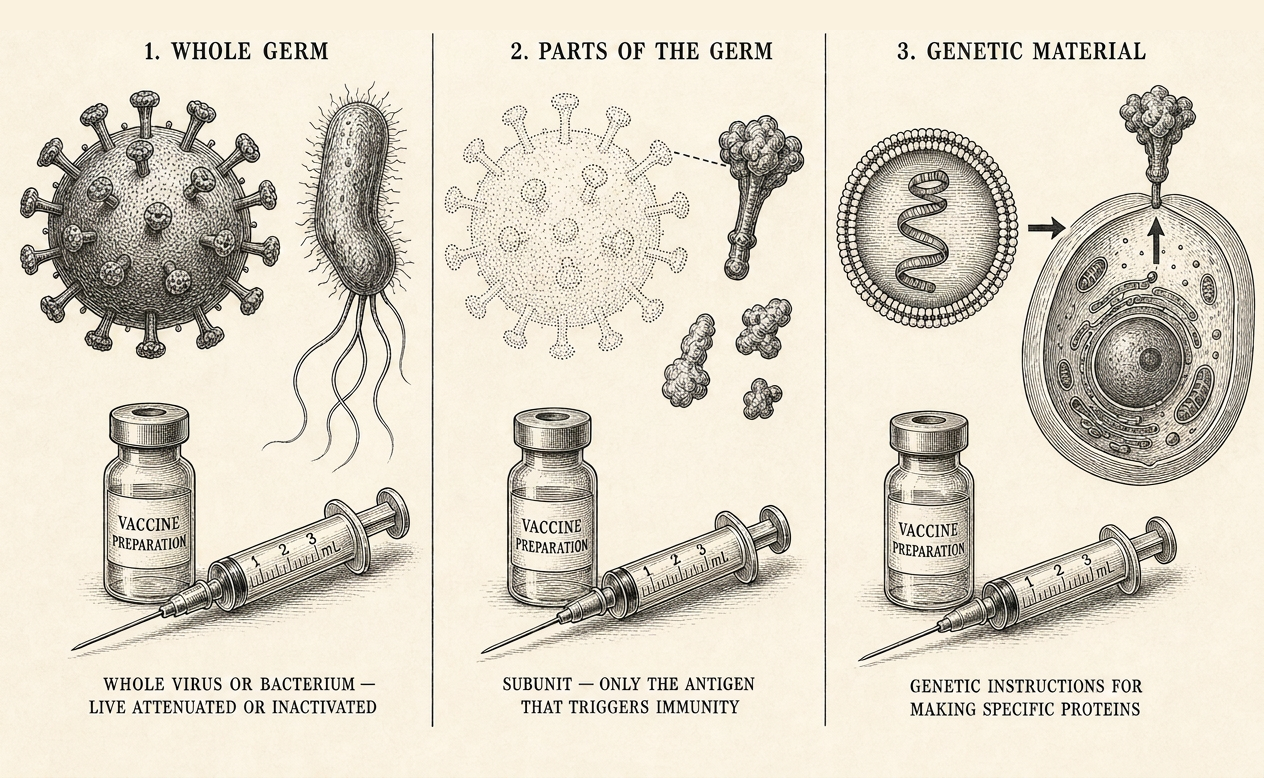
Fig. 1-11. WHO: Three Main Approaches to Vaccine Design (Based on Hypothetical Infectious Viruses)
To this book, such claims do not represent scientific progress. They represent the continued expansion of a profitable fiction. The deception is especially powerful because it operates under the authority of modern medicine and is endorsed by institutions such as the WHO and the FDA whose statements are as follows:
[WHO states:] There are three main approaches to designing a vaccine. Their differences lie in whether they use a whole virus or bacterium; just the parts of the germ that triggers the immune system; or just the genetic material that provides the instructions for making specific proteins and not the whole virus.
[The FDA states:] Vaccines can be divided into two general categories: live or non-live. Most live vaccines used in the United States are “live attenuated”, meaning that the microbe in the vaccine is alive but has been weakened (attenuated) through serial passage in cultures or produced through genetic technology... Non-live vaccines can include whole or fractional vaccines produced by inactivating (killing) the microbe; or fractional vaccines such as recombinant vaccines, produced through genetic technologies.
In the argument of this section, this language simply repackages the same foundational error. Whether described as live, attenuated, killed, or recombinant, the product remains built on a premise that has never been physically proven: the existence of infectious viruses as the causal agents claimed by modern vaccine science.
References
8. Price WH. The isolation of a new virus associated with respiratory clinical disease in humans. Proceedings of the National Academy of Sciences of the United States of America.1956 Dec; 42(12): 892–896. Doi: 10.1073/pnas.42.12.892
9. Offit, PA. Vaccinated: One man's quest to defeat the world's deadliest diseases. New York, NY; HarperCollins. 2007:66-68.
10. Tulchinsky TH. Maurice Hilleman: creators of vaccines that changed the world. Case Studies in Public Health. 2018:443-470. Doi: 10.1016/B978-0-12-804571-8.00003-2
11. Newman L. Maurice Hilleman. BMJ. 2005 Apr 30; 330(7498): 1028. PMCID: PMC557162.
12. Offit, Paul A. Vaccinated: One man's Quest to Defeat the World's Deadliest Diseases. New York, NY; HarperCollins. 2007: xii.
13. Woolhouse M, Scott F, Hudson Z. et al. Human viruses: discovery and emergence. Philos Trans R Soc B: Biological Sci. 2012;367(1604): 2864:2871. Doi: 10.1098/rstb.2011.0354
14. World Health Organization. What is in a vaccine?. Accessed May 8, 2026.
15. Centers for Disease Control and Prevention. Timing and spacing of immunobiologics. Updated August 1, 2023. Accessed December 22, 2023.