

The air is saturated with diverse microorganisms, but this is merely the physical backdrop of the human environment, not the cause of disease. Consider a sealed, sterile container: even a microscopic breach will result in immediate contamination. This does not occur because microorganisms possess an active force of invasion, but because they are omnipresent—coexisting with the air and carried passively through the breach by airflow. Once this mechanism is understood, the search for the true cause of upper respiratory tract infections (URTIs) becomes sharply focused.

Fig. 1-1. Environment: Teeming with Unseen Microorganisms
With every breath and every meal, we inhale and ingest vast quantities of microorganisms. Yet the body’s defensive mechanisms are remarkably effective, preventing them from entering sterile zones under normal conditions. In other words, the human body ordinarily possesses strong protection against so-called viral and bacterial infections. We reject the belief that airborne microorganisms such as “viruses” can directly penetrate body cells and generate disease on their own.
For over two centuries, however, European medical authorities have promoted the idea of infectious viruses. They claim that viruses can invade upper respiratory tract cells, cause disease, paralysis, and death, and thereby justify dependence on vaccines. This deception began with smallpox vaccination in the nineteenth century, expanded through polio and influenza in the twentieth, and reached a new peak with the COVID-19 mandate and the later RSV rollout.
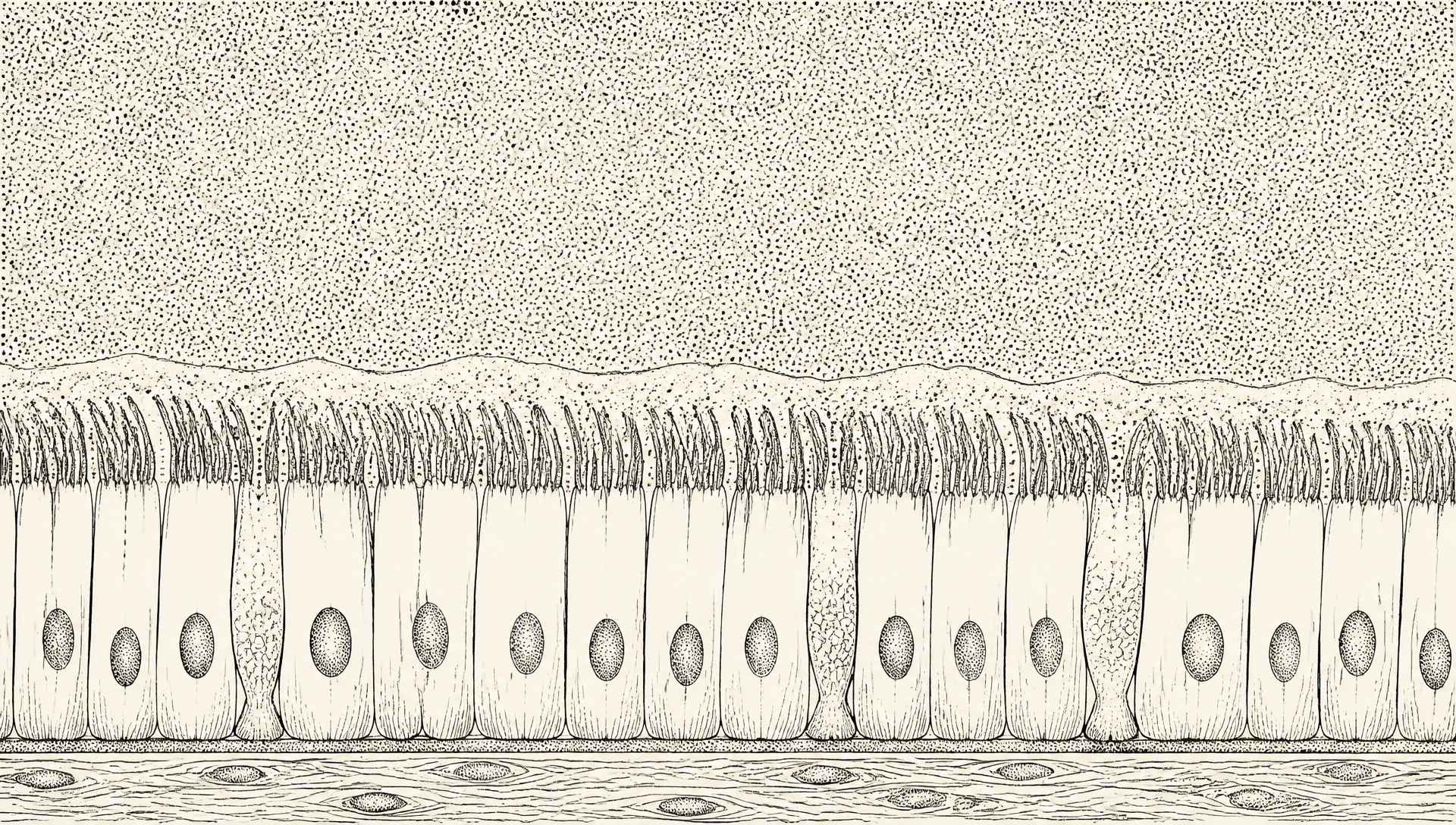
Fig. 1-2. Viruses: Airborne, Lifeless, Inert, Non-Invasive
Viruses are not inherently infectious. Outside human cells, they exist as virions—metabolically inert and lacking independent energy. They are physically incapable of penetrating a host cell membrane by themselves. According to Western medicine, once inside a cell, viruses hijack cellular machinery to replicate. But this raises the decisive question: how do virus particles enter human cells in the first place?
Western medicine has never answered that question convincingly. A revealing example appears in the textbook Nester’s Microbiology: A Human Perspective. The third edition, published in 2001, explains viral entry through the theory of the “susceptible cell”:
Viruses exist in two distinct phases. Outside of living cells, they persist in the form called virions, which are metabolically inert. Essentially, they are only macromolecules. Inside susceptible cells, viruses are in the replication form using the metabolic machinery and pathways of their host cells along with their own genetic information to produce new viruses.
What exactly is a “susceptible cell”? How is it defined? How can it be recognized and proven? The authors provide no definition and no physical demonstration of the physiological mechanisms or functional markers of such a cell. The term therefore functions not as science, but as an unsupported assumption introduced to preserve the narrative of infectious viruses.
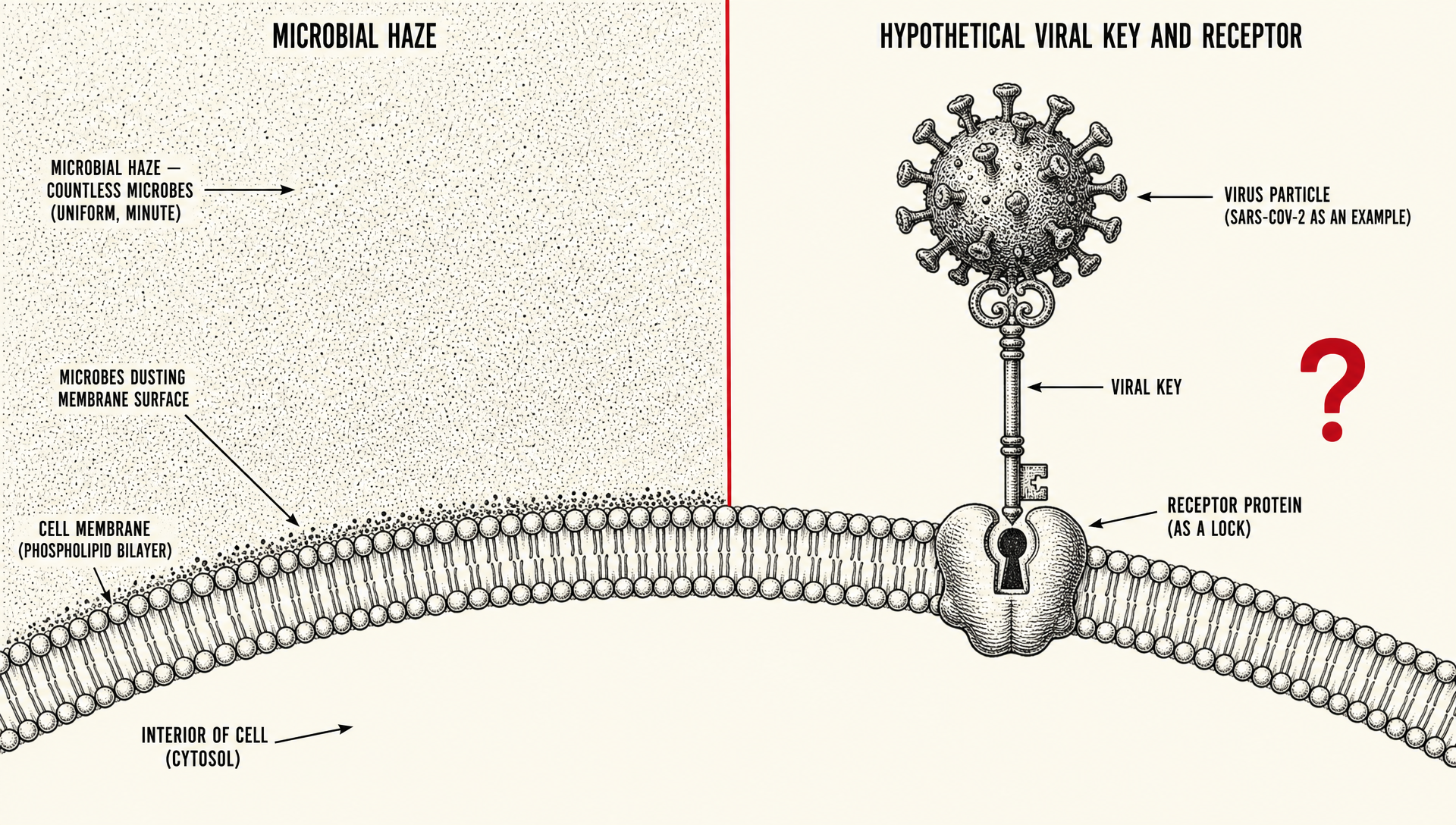
Fig. 1-3. Evolution: Selecting for Survival, Not Self-Destruction
By 2016, the eighth edition of Nester’s Microbiology: A Human Perspective had shifted to “viral receptor theory,” claiming that epithelial cells of the upper respiratory tract are covered with receptors that facilitate viral entry. The authors write:
A cell can have tens to hundreds of thousands of receptor copies on its surface, providing many opportunities for a virus to encounter a receptor … rhinoviruses attach to specific receptors on respiratory epithelial cells and then infect those cells.
But what does a viral receptor look like? What does a rhinovirus look like? How do they make physical contact? By what mechanism does that contact permit entry into a human cell? If these questions cannot be answered with physical evidence, then the theory remains unproven. And if countless rhinoviruses are supposedly present in the nasal cavity every day, why are URTIs not constant and unending?
The receptor theory also violates the logic of evolution. Evolution selects for survival, not self-destruction. The respiratory epithelium evolved as a protective barrier against external threats; it would not evolve in order to invite viruses inward through abundant receptors and thereby endanger the organism. Biologically speaking, the theory has no stable ground.
Biologists, virologists, epidemiologists, and health officials worldwide continue to promote the existence of infectious viruses, susceptible cells, and viral receptors. If so, they bear the responsibility of answering these basic questions with physical evidence:
- What does an infectious virus look like? What physical characteristics distinguish it from the background viruses we inhale every day?
- What does a susceptible cell look like? How do its morphology and functional markers differ from those of a normal cell?
- What does a viral receptor look like, and what is the precise mechanism by which it binds to a virus and permits entry into the human cell?
References
1. Nester EW, Anderson DG, Roberts CE, et al. Microbiology: A Human Perspective. 3rd ed. New York, NY: McGraw-Hill; 2001:325
2. Anderson D, Salm S, Allen D. Nester’s Microbiology: A Human Perspective. 8th ed. New York, NY: McGraw-Hill; 2016:344, 543.